All sprints
Applications open Sprint 01 · Sydney · Sat 8 August 2026 · 5 hours

Five hours to build working software a physical therapy clinic can use.

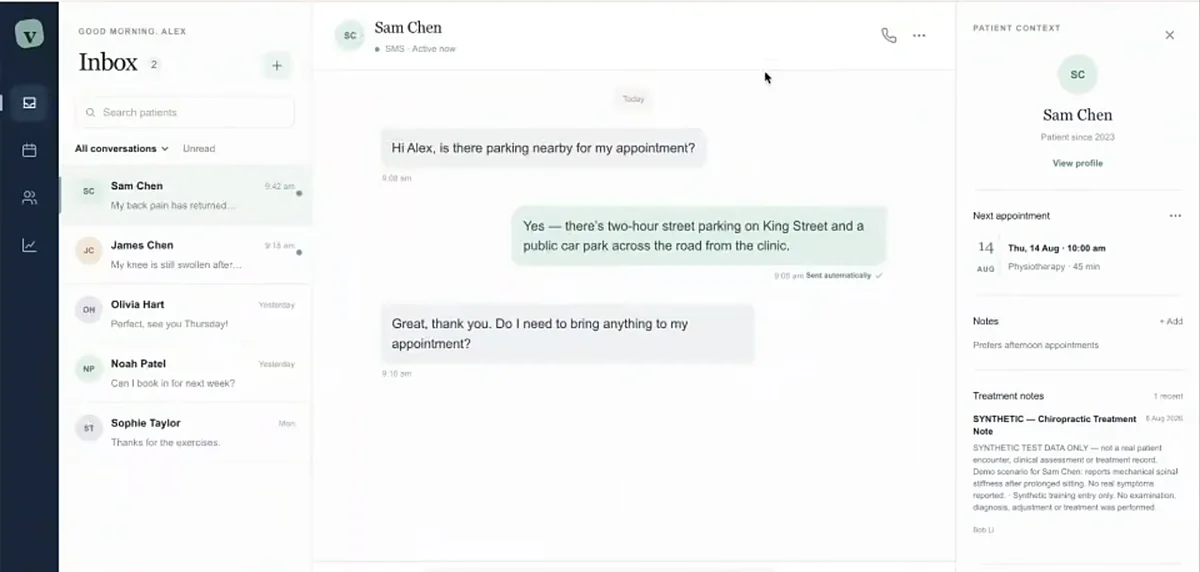
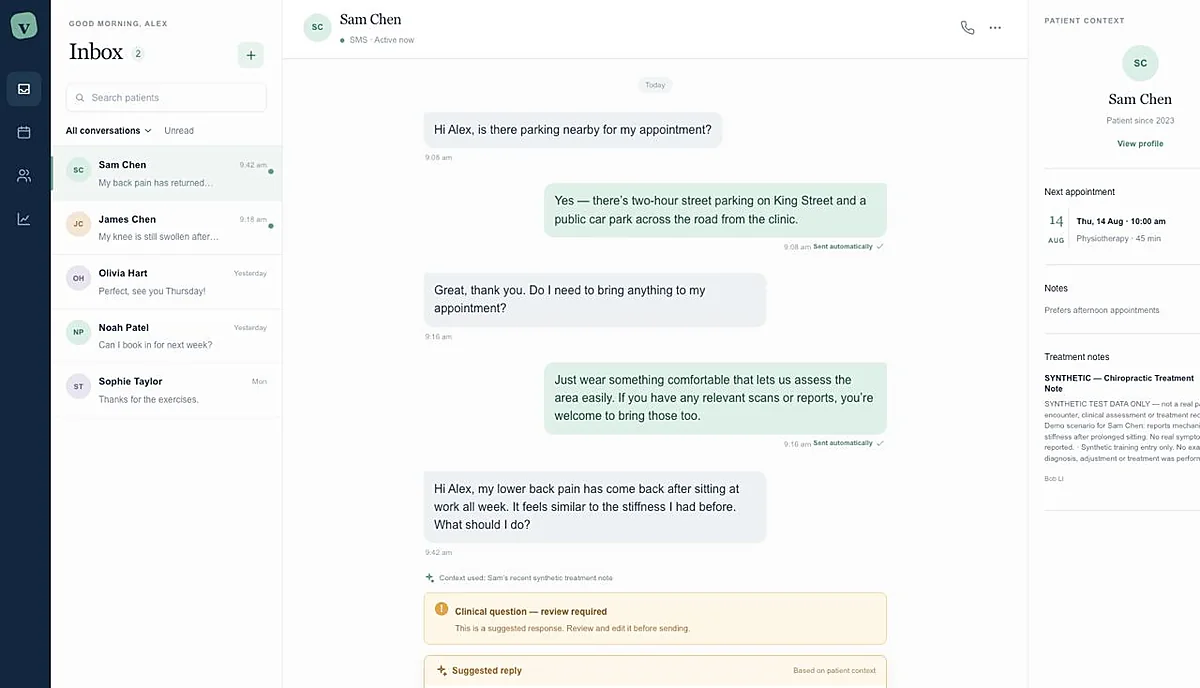
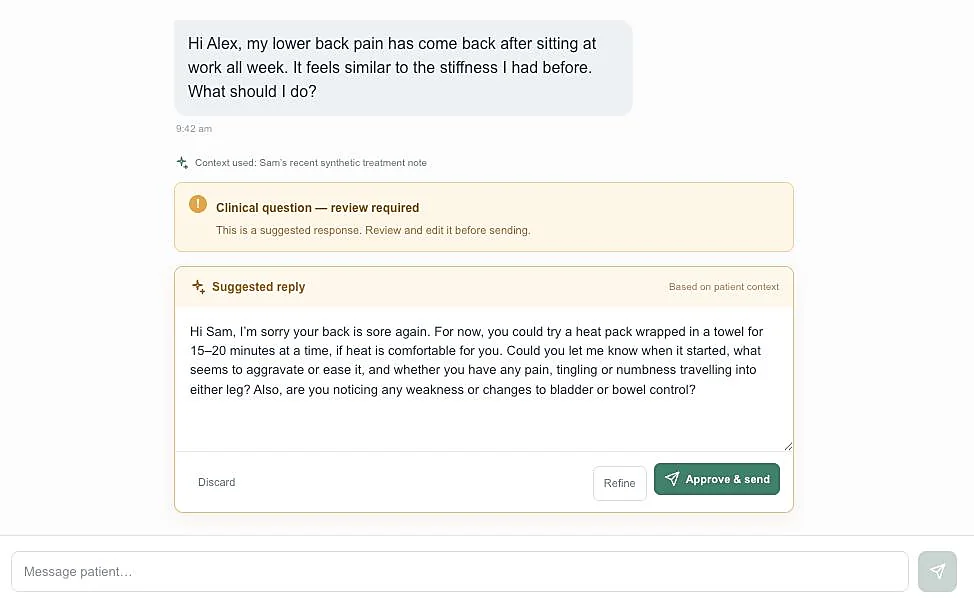
Sprint 01 puts a tailored group of builders in a room with an operating physiotherapy and chiropractic practice, and one problem worth solving. You spend the day building something that runs.

Date
Sat 8 August 2026
Duration
5 hours
Location
SydneyExact location revealed to attendees only
Niche
Allied Health (Physical Therapy)Physiotherapy and chiropractic clinics
Prize
$1,000 in Codex API creditsSplit across the top three
The goal
Working softwareDemoed same day

The opportunity

A large market that software has barely reached.

Physical therapy is one of the busiest corners of Australian healthcare: hundreds of thousands of appointments a week, and steady demand from an ageing population. Most of it still runs on tools that were never shaped around how these clinics work. A big market with room for better software is a rare thing to build into.

~$5.7bn Combined annual market
16,000+ Independent clinics
45,000+ Registered practitioners
Open field No dominant software player

These clinics feel the same problems week to week. Build something that fits how they work, and there is a wide, ready market on the other side. AI is what lets you close that gap in an afternoon.

Sources: IBISWorld (2025); Australian Physiotherapy Association; AHPRA.

The problem in the room

The business owners. One problem worth solving.

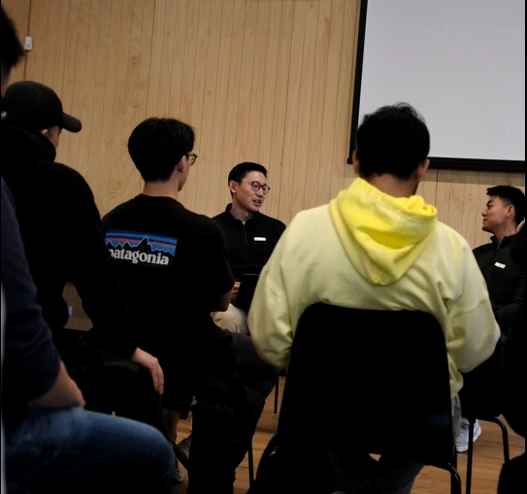
The partner clinic brings a specific problem from how they run day to day. You do not need clinical experience. The business owners bring the domain and stay in the room; you bring the build, a view on how the business could work better, and patterns from how other industries have solved similar problems.

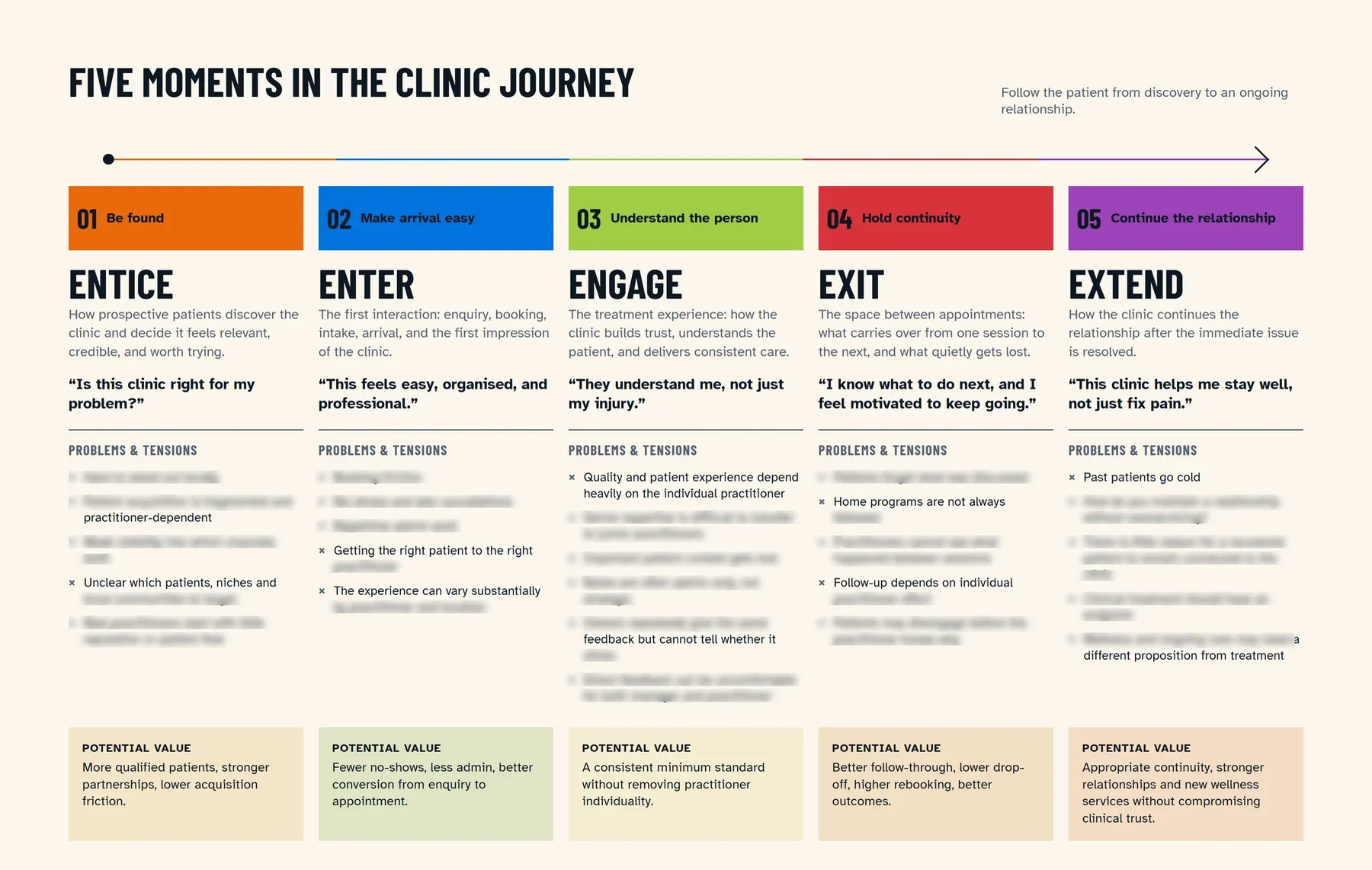
Where clinics tend to feel it:

  • Scheduling and no-shows
  • Patient intake and triage
  • Rehab and care-plan adherence between visits
  • Admin, billing, and recall

The specific brief is co-drafted with the partner clinic and shared with selected builders before the day.

The day · 5 hours

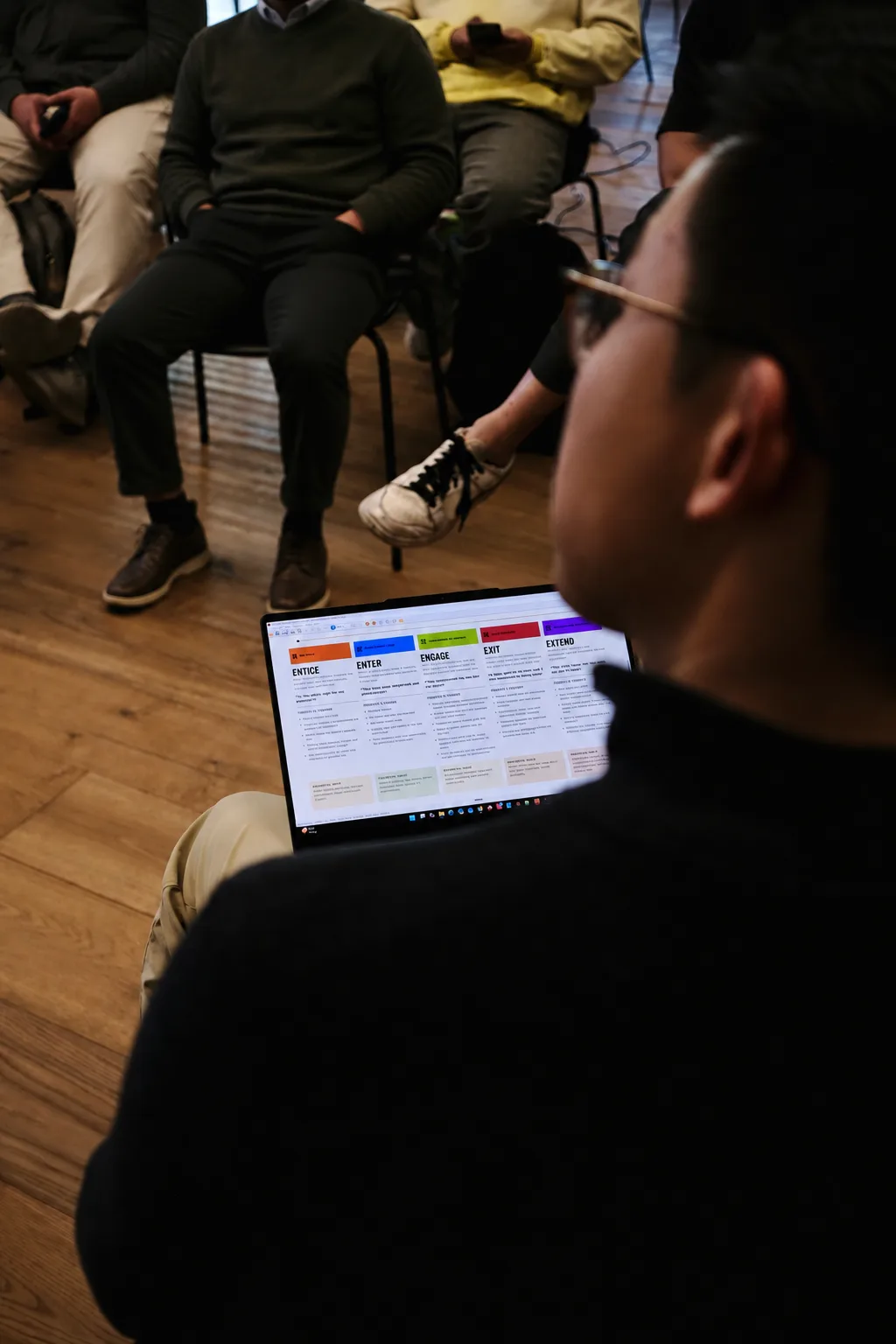
The Sprint Method, run against a working business.

Five stages, one operating clinic, and a build that has to stand up by close.

13:00

Prime

Arrival, context, and the clinic's problem brief in the room.

Frame

Understand the business alongside the business owners and agree what is worth building.

14:30

Build

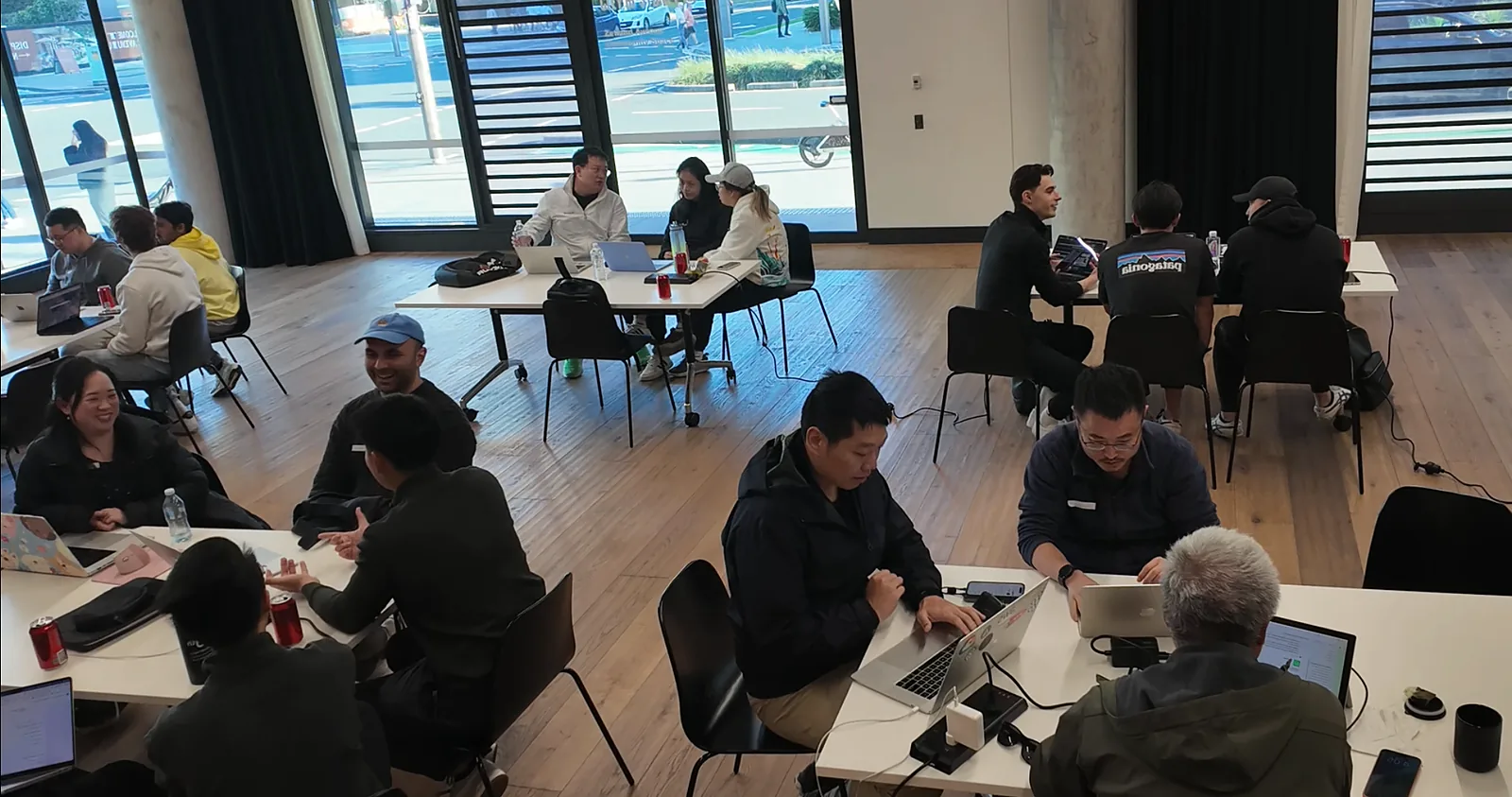
Three focused hours. You build toward working software. The practitioners stay reachable.

17:30

Demo

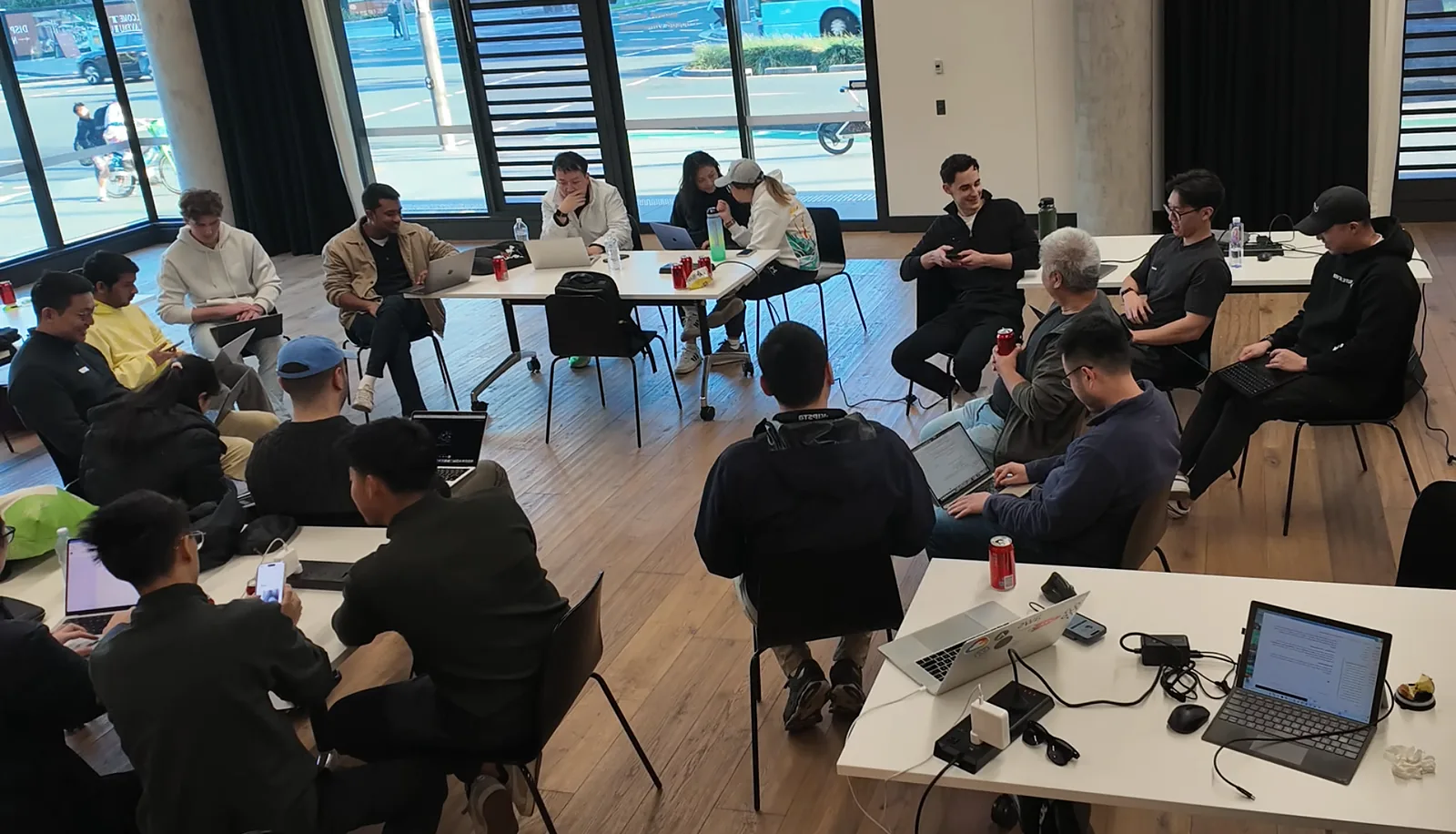
Each builder or team demos to the room and the clinic.

Grow

The top builds are recognised, prizes awarded, and next steps set.

The prize

A prize pool for the whole podium.

The winning builds share a pool of Codex API credits, tooling to keep shipping after the day. The top three each take a slice, with recognition in the room and a clinic that saw what could be built for it.

  1. First $500 in credits
  2. Second $250 in credits
  3. Third $250 in credits

The split is deliberate: it spreads right-sized tooling across a podium rather than handing one winner more than an early-stage builder needs. The credits are the prize; for this sprint there is no sponsor, so no logo or attribution appears.

Who it is for

Built for product-minded builders.

The strongest builds come from people who are product-minded and motivated to solve problems that matter to a business. You bring curiosity about the space, maybe some personal experience with it, and a point of view on how a clinic could work better. AI does the heavy lifting on the build. Your judgment about what to build is what counts.

This is for you if:

  • You are product-minded and motivated by problems that matter.
  • You can take an idea to working software in one sitting.
  • You are curious about physical therapy, or have lived experience of it.
  • You want to bring your own energy and thinking to a room with the practitioners who live the problem.

Not sure your skills are there yet? See what you would need to take part on the For Builders page, and build toward a future sprint.

Take part

Three ways into Sprint 01.

Builders

Apply to build

A tailored group of builders. Applications are reviewed, the group locks two weeks out, and selected builders get the brief and pre-read early.

Apply to build
Operators

Bring a problem

Put the problem you would most want solved in front of a room of builders, and get a clear read on whether software could move it. Or put your clinic forward as a future partner.

Everyone else

Stay updated

No observer product for this sprint. Capture interest in results and learnings, and in future categories.

Keep me posted

Questions

Before you apply.

Do I need clinical experience?

No. The clinic brings the domain and stays in the room. You bring the build, a view on how the business could work better, and patterns from how other industries have solved similar problems.

What does "working software" mean?

Something the clinic could put to use, demoed live at the end of the day. Not a mockup or a deck.

What skills do I need to take part?

Enough to take an idea to working software in one sitting, with AI doing the heavy lifting on the build. The For Builders skills FAQ lays out what that looks like. If you are not there yet, follow along and build toward a future sprint.

What if I want to build my own idea?

Sprints are built around one clinic's problem, so that is what everyone builds on the day. If you are working on your own thing, keep posted and wait for a market that fits what you want to build.

Can I bring a team?

Yes. Build solo or as a small team, whichever gets you to a working demo.

Where is it held?

Sydney. The venue is confirmed and shared with selected builders once the group locks.

What should I bring?

Your laptop and whatever stack you build fastest in.

Five hours. Real owners. Something that runs.

Sydney, Saturday 8 August 2026. A tailored group of builders, one physical therapy problem, and a live demo of what you built by close.